
Paul Mahler su Pop Matters, in un lungo e documentatissimo articolo, racconta tutta la storia che sta alle spalle di The Tree of Life, il nuovo attesissimo film del leggendario regista texano Terrence Malick: il copione originario intitolato Q, gli accordi produttivi, l’intervento di Brad Pitt, gli esperimenti con la Red One camera, gli effetti speciali commissionati a quattro case diverse, la colonna sonora ed il montaggio infinito che dura da quasi due anni sono raccontati con grande chiarezza, nonostante le pochissime notizie trapelate sinora.
Atteso per lo scorso Natale, poi in procinto di sbarcare sulla Croisette, il capolavoro annunciato che intreccia la storia di un ragazzino nell’America rurale degli anni ’50 alla storia dell’evoluzione terrestre, dai dinosauri all’ignoto spazio profondo, è ancor avvolto nel mistero.
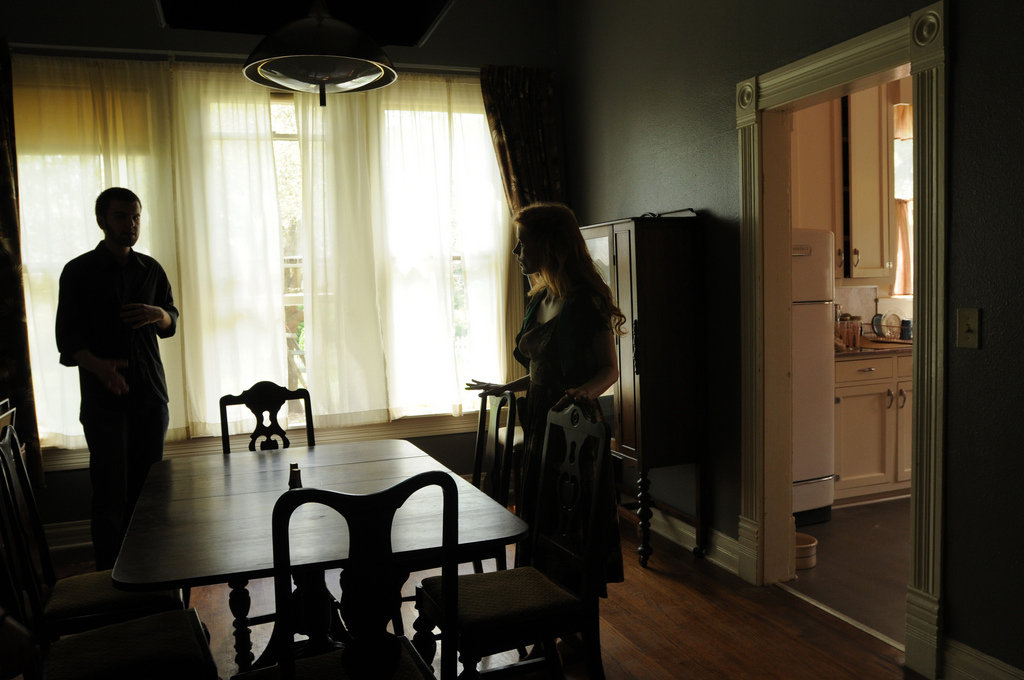
In questi giorni è stata pubblicata la foto che apre questo articolo, che immortala la protagonista femminile Jessica Chastain in un interno.
Il produttore Bill Pohland ha confermato che il film è ormai pronto al 99%, che verosimilmente verrà mostrato a Venezia e che dovrebbe uscire in novembre, come preannunciato.
Ma con Malick occorre essere prudenti: un progetto nato all’indomani del suo celebratissimo I giorni del cielo, nel 1978 ha richiesto ben 32 anni per essere completato. Malick è passato attraverso un silenzio di quasi vent’anni, interrotto da La sottile linea rossa e The New World, forse solo atti preparatori per questa odissea nella storia dell’uomo, che per ambizione e grandiosità rivaleggia forse solo con 2001 e Apocalypse Now.
Questo ci riporta inevitabilmente a quel decennio fertilissimo del cinema americano che proprio in questi due film ha trovato una sua coerente delimitazione ideale e che ha visto nascere anche il talento purissimo di Malick.
Particolarmente illuminante è la dichiarazione di Dean Georgopolous, il cameraman della Red One :
He has a very unique way of making a film. even though lines are scripted, he kind of makes things up on the fly, constantly, it is unreal.
He consistently feeds scripted and unscripted lines to actors, and is very very hands on second to second, giving direction as things are happening, realizing always that if actors take the appropriate beats between his direction and their acting, then his direction can be cut out. Everything, shots, areas of shooting within a location, extras, lens choice, sound, no sound, talent, it is all up in the air until the moment he asks for it, it is amazing.
He shoots 360 degrees constantly, so carted equipment must be out of the area completely, but yet close enough for changes and quick moves. a camera intern lost 50-plus pounds on Tree of Life from just the back and forth of it all.
I heard stories about the bullpen on The Thin Red Line, name actors waiting in the bullpen for when he was ready for them, he knows what he is doing and makes films in an organic way. sometimes challenging for all the other departments, but the concept of flexibility must be part of your complete makeup or you will not survive on his set

 Stanze di Cinema