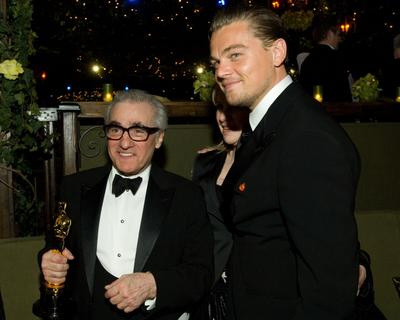
Ieri è stato presentato in anteprima al Festival di Berlino, il nuovo film di Martin Scorsese con Leonardo Di Caprio.
La storia è tratta da un romanzo di Dennis Lehane: le prime recensioni sono di stampo contrastante.
Per Paolo Mereghetti, si tratta di
un thriller psicologico di ineccepibile fattura, teso e inquietante per almeno due terzi, interpretato da un sempre ottimo Di Caprio, ma lontano dal coraggio di sperimentare che contraddistingueva il regista almeno sino ad Al di là della vita… il film costruisce perfettamente la trappola in cui dovranno cadere il protagonista ed il pubblico. Ma appunto: è solo una trappola ben congegnata.
E invece dal un grande regista coem Scorsese sembra inevitabile aspettarsi sempre il capolavoro o quasi. Dai primi della classe non possiamo accontentarci di un compito svolto senza errori. Vogliamo di più.
Todd McCarthy su Variety ha un punto di vista non troppo distante, eppure non sembra essergli spiaciuto questo ripiegamento di Scorsese su corde più tradizionali.
“Shutter Island” arguably occupies a similar place in Martin Scorsese’s filmography as “The Shining” does in Stanley Kubrick’s.
Scorsese applies his protean skill and unsurpassed knowledge of Hollywood genres to create a dark, intense thriller involving insanity, ghastly memories, mind-alteration and violence, all wrapped in a story about the search for a missing patient at an island asylum.
As Kubrick did with Stephen King’s novel, Scorsese uncustomarily ventures here into bestseller territory that obliges him to deliver certain expected ingredients for the mass audience and adhere to formula more than has been his nature over the years. Although “The Departed” and “Cape Fear” come close, “Shutter Island” is the film that most forces the director to walk the straight and narrow in terms of carefully and clearly telling a story; if testing himself within that discipline was his intention, this most devoted of cinema students among major American directors gets an “A.”
Il riferimento a Shining rimane però ambiguo. Mentre noi, sulla scorta delle straordinarie intuizioni di Enrico Ghezzi, lo consideriamo il più sconvolgente e teorico dei film di Kubrick, mascherato dietro un “semplice” adattamento di una storia dell’orrore, al di là dell’ oceano non sembrano aver pienamente compreso, quello straordinario viaggio nella mente…non a caso Stephen King ha sempre dichiarato di detestare il film…
Nella impeccabile confezione di genere spiccano, oltre alle interpretazioni di Di Caprio e Ruffalo, anche le qualità tecniche e la colonna sonora straniante, che molto deve proprio all’ultimo Kubrick, per l’uso della musica classica:
But the greatest interest lies in the craftsmanship, which is provided in spades by Ferretti, cinematographer Robert Richardson, visual effects and second-unit overseer Rob Legato, costume designer Sandy Powell, editor Thelma Schoonmaker and dozens of others. Even when it’s clear Scorsese has decided to employ fakery and allow it to be obvious, it’s done with elegance and beauty.
Of at least equal interest is the soundtrack, supervised by Robbie Robertson, which employs mostly modern serious and classical music in the same manner of intelligent sampling that Scorsese normally uses rock and borrowed movie compositions. The sudden infusions of discordant, atonal and otherwise unsettling passages by Ligeti, Penderecki, Cage, Adams and, more traditionally, Mahler, among numerous others, further amplifies the sought-after climate of malignant ambiguity.
Dal 5 marzo nelle nostre sale.

 Stanze di Cinema